An endless learning companion every kid can talk to.
Primer is a patient teacher that listens, remembers, and draws as it speaks. Ask it anything. Watch the answer come to life.
Inspired by the Young Lady's Illustrated Primer in Neal Stephenson's The Diamond Age.
Thank you. We'll write to you before the first devices ship.
{{ helperText }}
{{ answerText }}
What if learning started with the question a child actually wanted to ask?
Children are endlessly curious.
But most education works the other way around: adults decide what a child should learn, when they should learn it, and how.
Primer starts with the child.
They ask a question in their own words. Primer follows their curiosity, explains what they want to understand, and remembers enough to make the next conversation better than the last.
Over time, it becomes a map of what fascinates them, what they understand, and where they might go next.
How it works
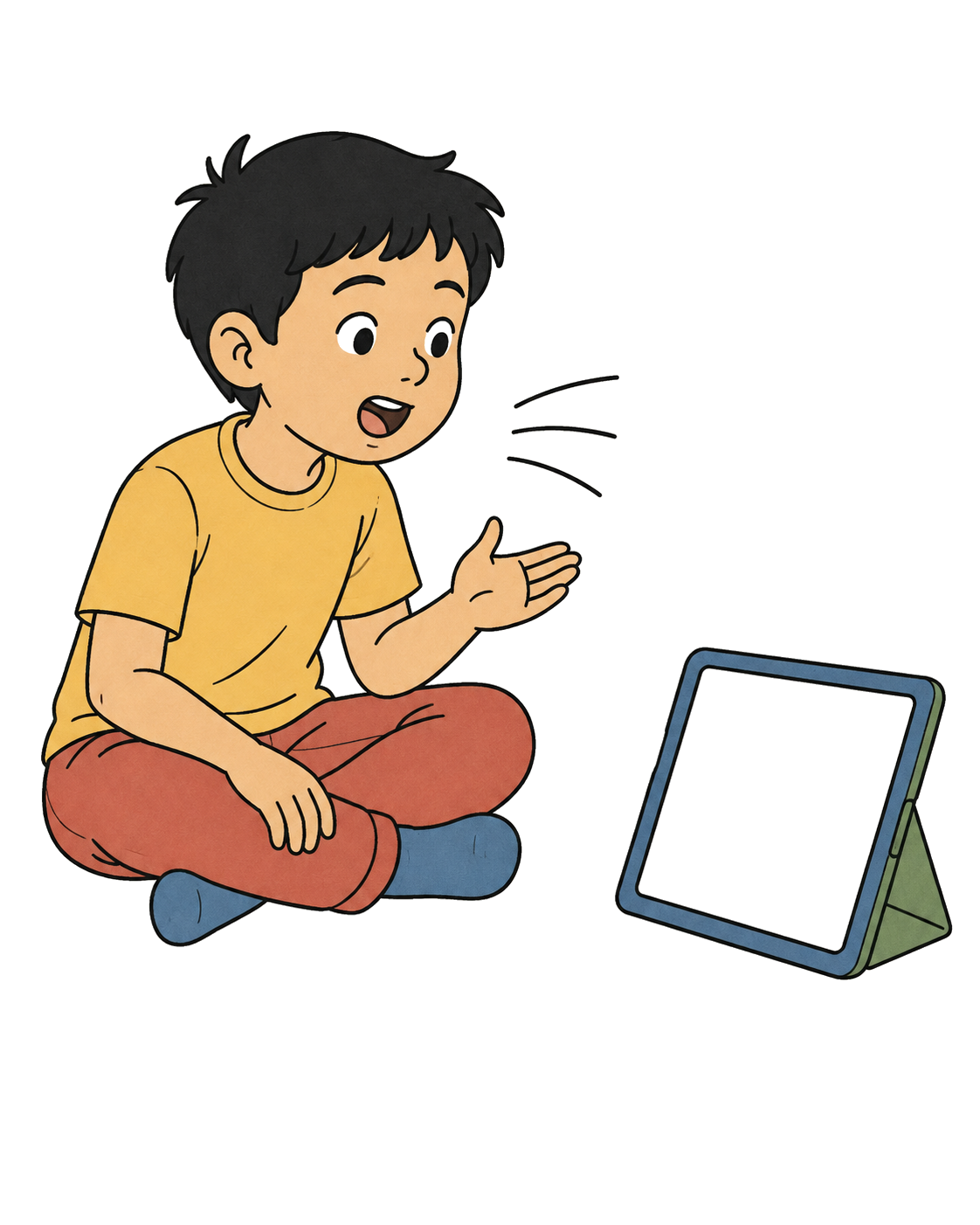
They ask
No typing required. No prompt engineering. A child simply says the question they actually have, in their own words.
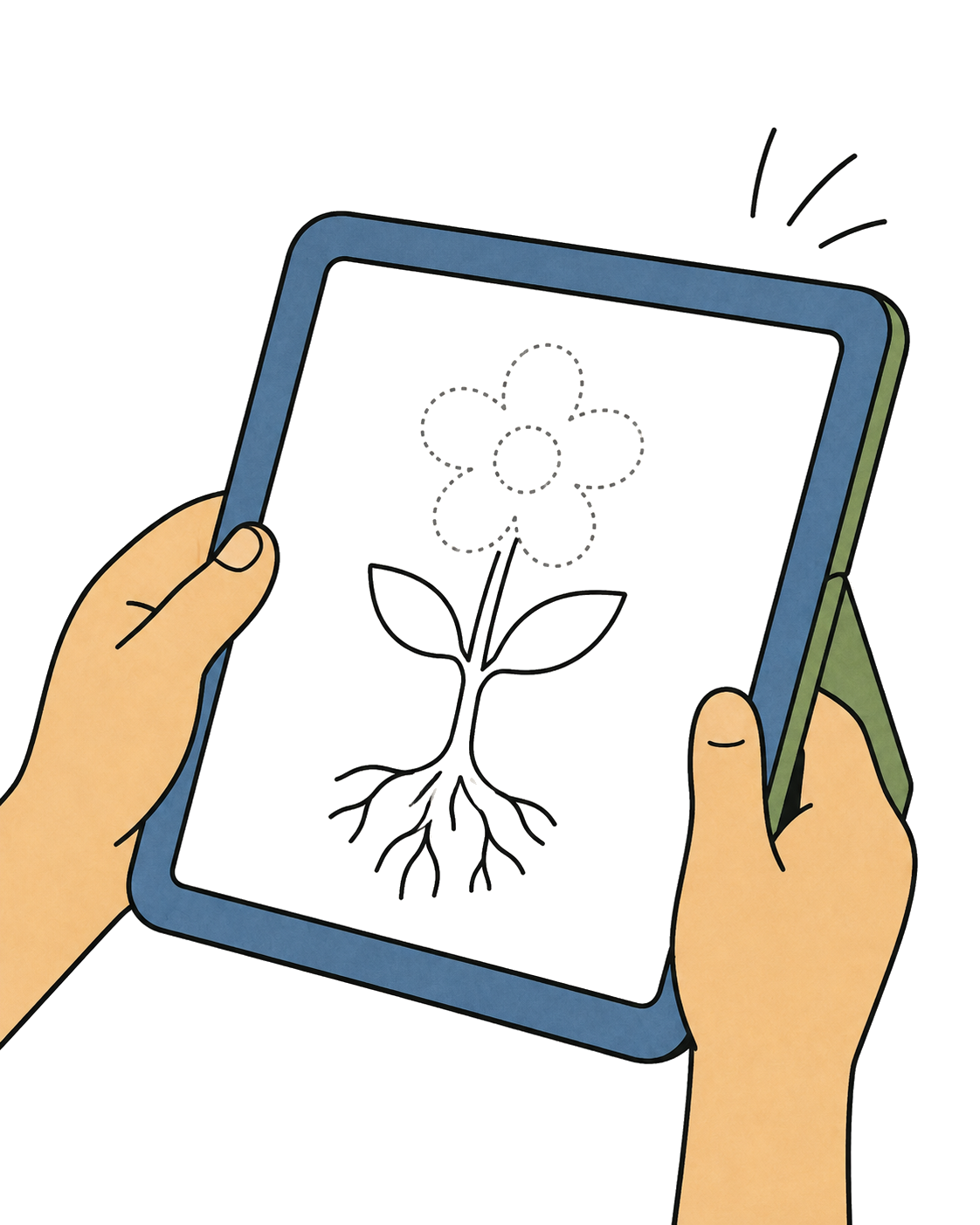
Primer answers — and draws
Primer speaks back while hand-drawn pictures appear alongside the explanation, the way a great teacher sketches on a board while talking. The pictures don't come after the lesson. They are the lesson.
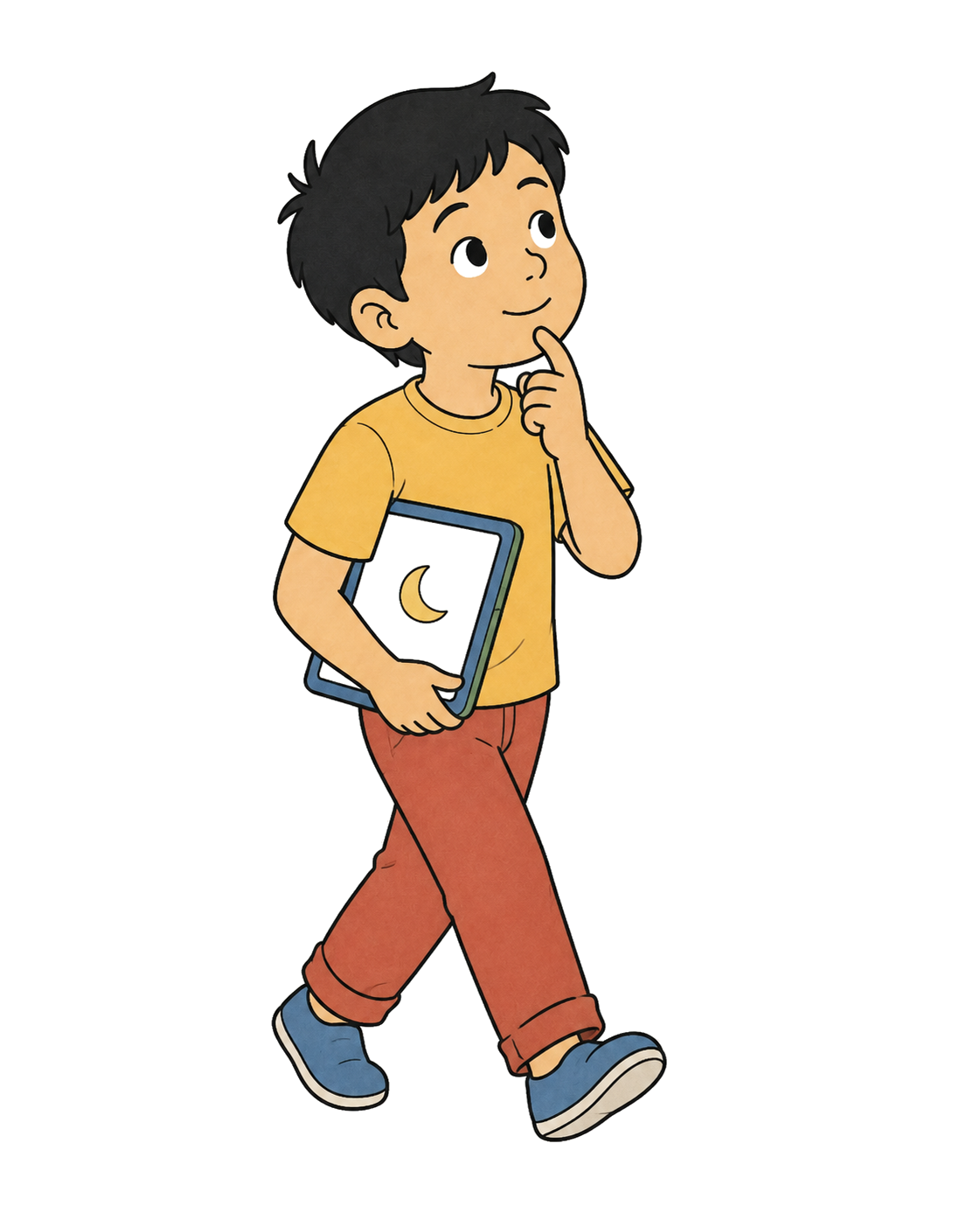
It remembers
Primer remembers what your child has explored, what they understand, and what captures their attention. It doesn't just get better at answering questions. It gets better at teaching your child.
And every child names their own Primer.
An educational world that never runs out.
Most children's content is finite. The same audiobook. The same video. The same lesson.
Primer is different. A child can ask a question nobody anticipated, follow the answer somewhere unexpected, ask another question, and keep going.
Tomorrow it might begin with black holes.
There is no table of contents.
Curiosity is the table of contents.
Drawn by people. Chosen by intelligence.
Every picture a child sees in Primer was drawn by a person. Our starting library contains more than 500,000 rights-cleared educational illustrations, built through fifteen years of professional educational production.
Primer's retrieval system finds and composes the right illustrations as the conversation happens. Nothing a child sees needs to be invented on the spot.

Octopus, cutaway — one main heart, two gill hearts.
One thing, beautifully.
Primer isn't another educational app competing with everything else on a tablet.
We removed everything else.
Just a child, a question, and somewhere to go with it.
- no TikTok
- no YouTube
- no browser
- no app store
- no social media
- no notifications
- no video games
- no open internet for the child
Not another glowing tablet.
Primer is being built around a paper-like, non-backlit color display. It is designed as a learning object rather than an entertainment screen: something a child can pick up when curiosity strikes and put down when the question has taken them somewhere new.
The goal isn't more screen time. It's more curiosity after the screen turns off.
Every child deserves a great tutor.
One-to-one tutoring is among the most powerful interventions we know in education. The problem has always been scale: a human tutor requires a human hour for every child hour.
The average tutored student outperforms 98% of a conventional classroom.
AI changes that constraint
For the first time, every child can have something that is infinitely patient, remembers them, explains things differently when they don't understand, and is ready whenever a question appears.
But we don't think the future of education should feel more like interacting with a machine. We think AI can make learning more human. More conversational. More visual. More individual. More curious.
Built for curiosity, not homework.
Most AI education products begin with the existing system:
"Here's your assignment. Let AI help you finish it."
Primer begins somewhere else:
"What are you curious about?"
We believe the scarce abilities in the AI era won't be memorizing more facts or executing rote tasks faster. They will be curiosity, judgment, creativity, agency, communication, taste — and knowing which questions are worth asking.
Primer is being built to nurture those things.
See where curiosity is taking them.
Primer gives parents a window into their child's learning without turning childhood into another analytics dashboard.
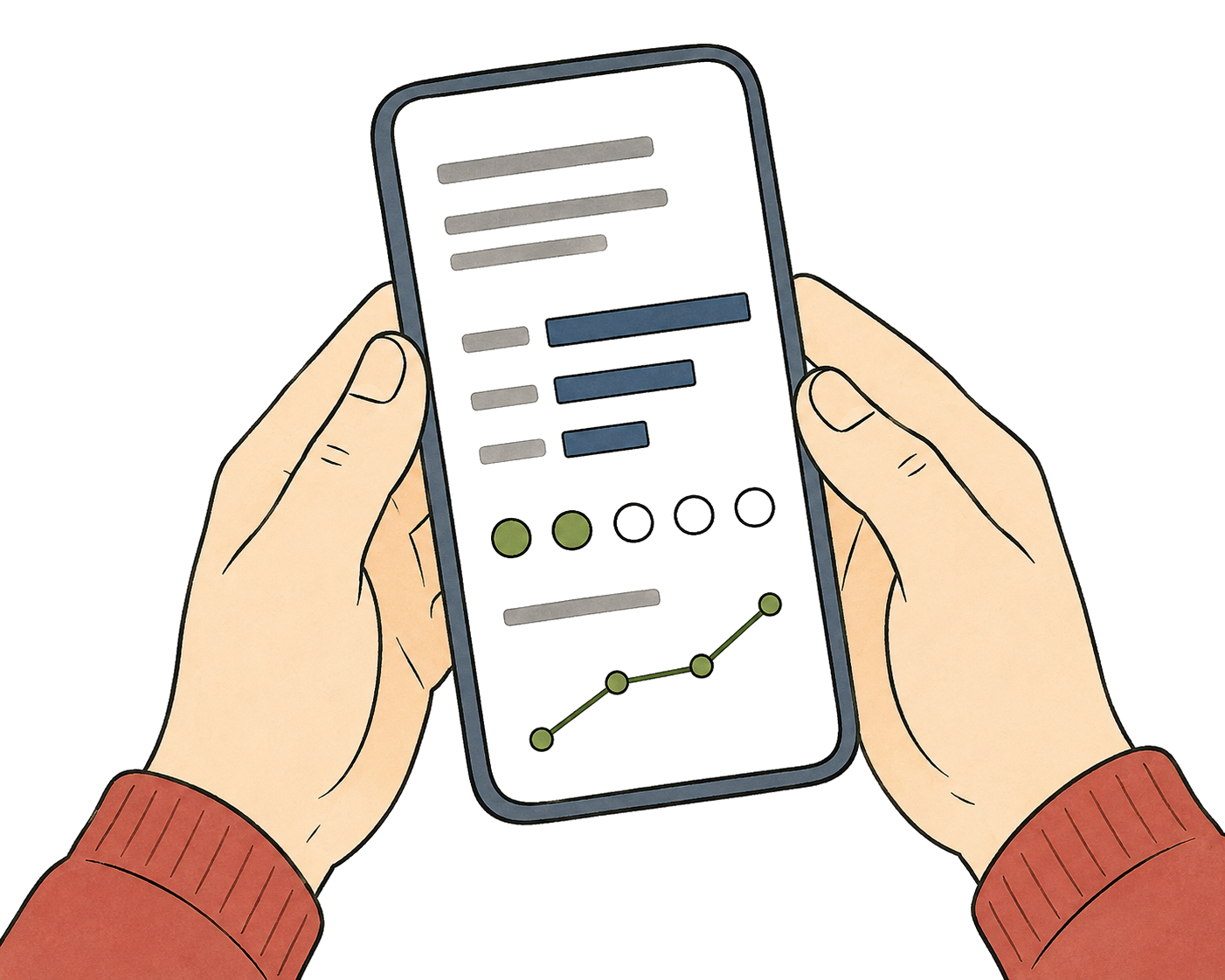
See what they're exploring
What did they ask about this week? What ideas keep returning? Where are they getting stronger? Real progress, plainly shown.
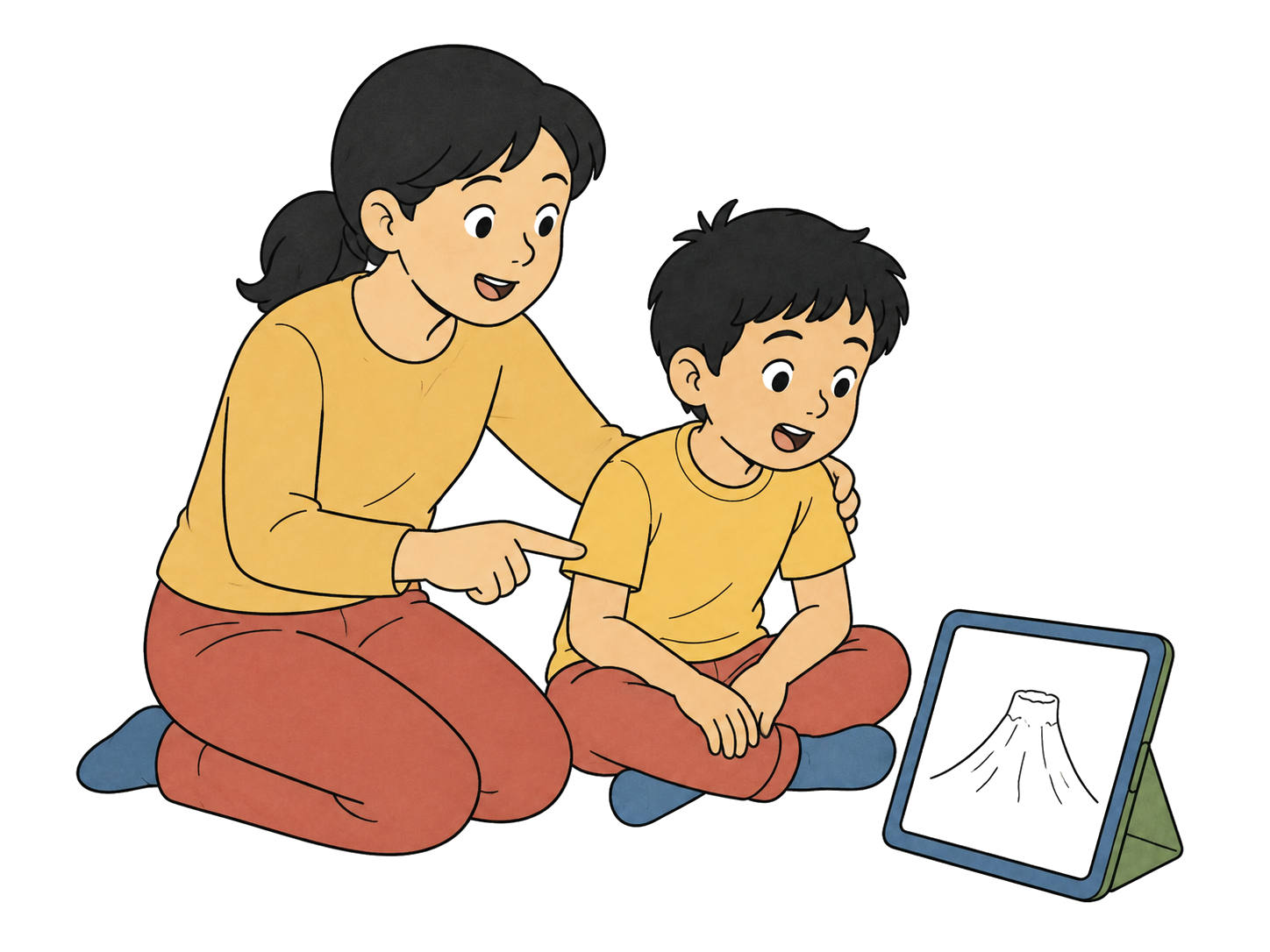
Plant a seed
Want them to explore fractions? Volcanoes? Compound interest? Ancient Egypt? Suggest a topic. Primer can bring it naturally into a future conversation when the moment fits — not as an assignment, but as an invitation.
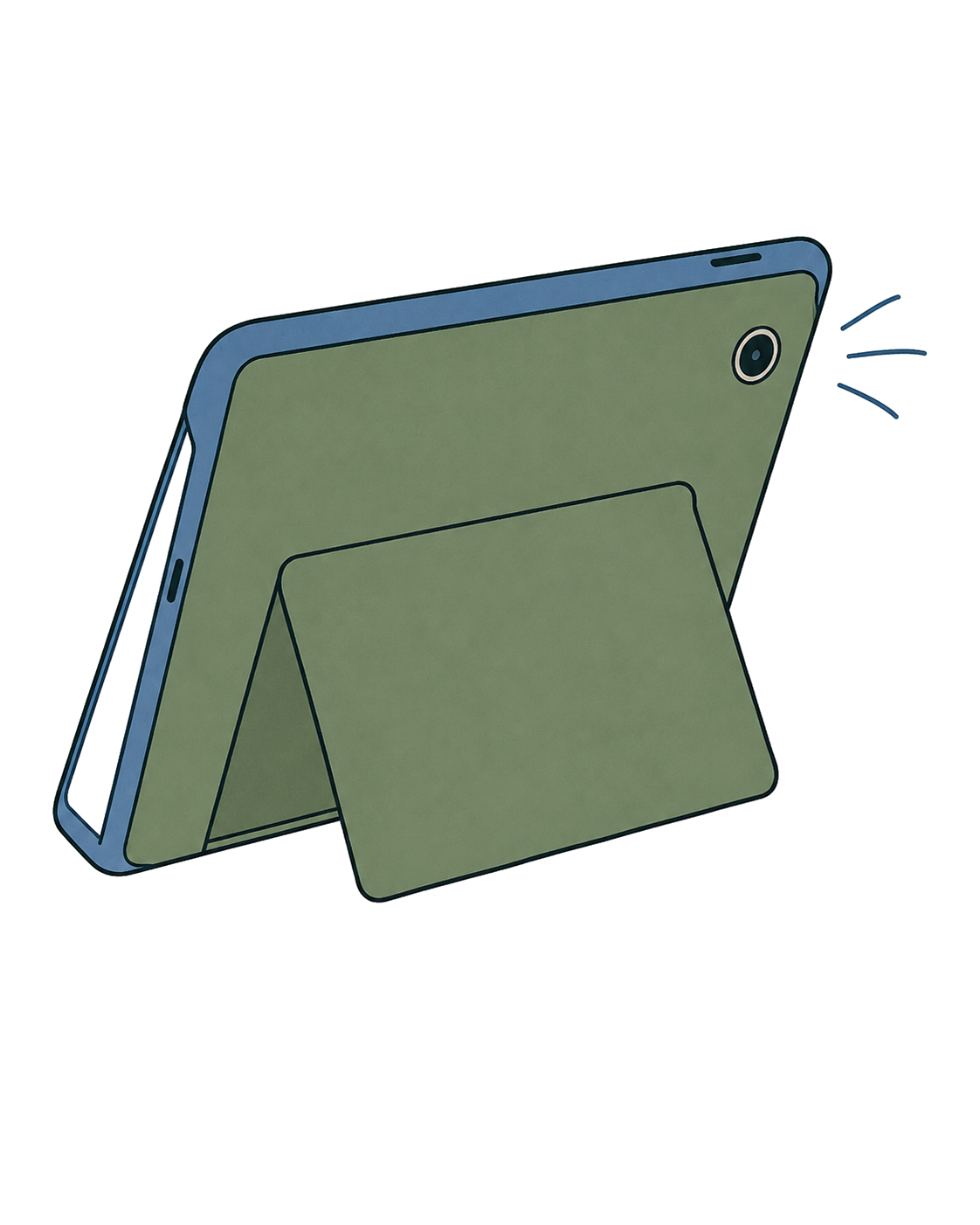
Private by architecture
- A child's learning profile is designed to live on the device.
- Voice can be transcribed and discarded rather than stored as a voiceprint.
- The camera faces the world, never the child.
Their curiosity belongs to them.
A new kind of children's device.
Parents have already shown that they want technology made specifically for children: focused, understandable, and separate from the open internet. Until now, those devices have mostly offered finite libraries of stories and audio.
Primer combines the focus of a dedicated children's device with something those products cannot do: listen, answer, illustrate, remember, and adapt.
The safety and simplicity of a single-purpose object.
The intelligence of a personal tutor.
An educational world that can unfold endlessly around one child.
Between us, we've spent decades building the pieces Primer needs.
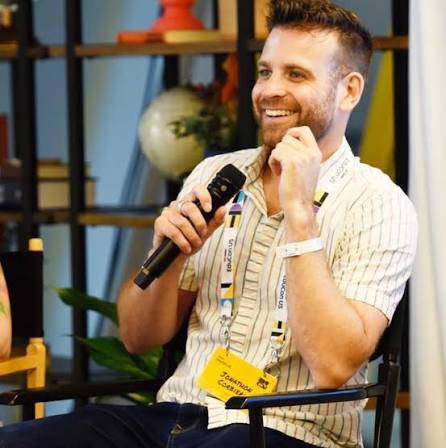
Jon Corbiere
Co-founderSeventeen years building educational animation and visual explanation. Jon's studio, Thought Café, helped create Crash Course's animated Thought Bubble segments, contributing to one of the world's most-watched educational channels. That production history forms part of the foundation for Primer's 500,000+ illustration library.
Jon also founded FutureTalk and has built conversational voice agents with persistent memory already running in production.

Peter Diamandis
Co-founderFounder of XPRIZE and co-founder of Singularity University and Abundance360. Peter has spent decades working on how exponential technologies change what humans can accomplish — and on the mindsets of curiosity, agency, experimentation, and abundance needed to navigate that world.
Those ideas help shape what Primer is trying to cultivate in children.
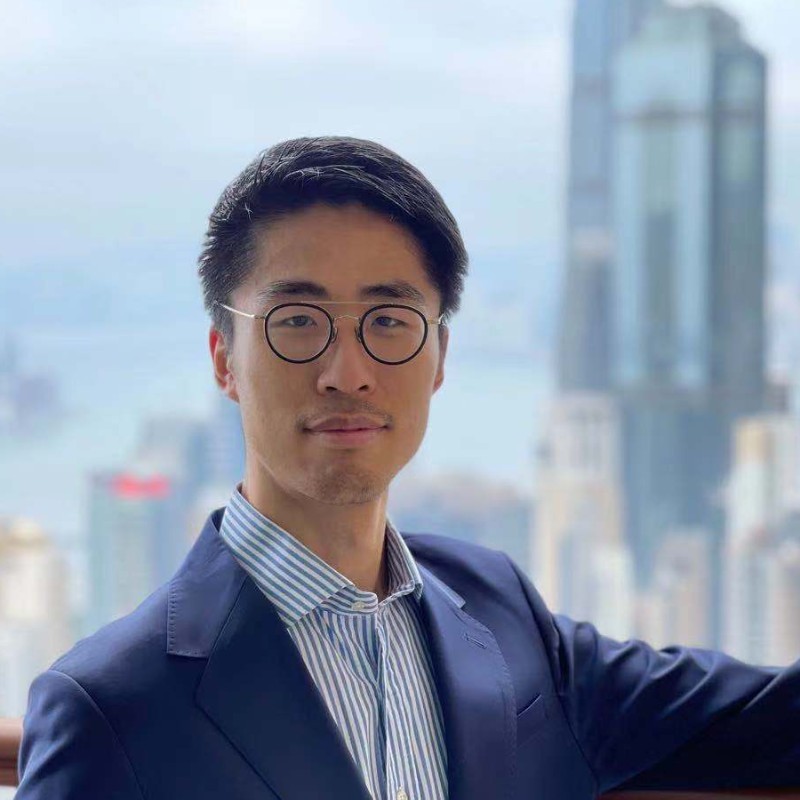
Max Song
Co-founderEntrepreneur and investor working at the intersection of AI and education. Max is EIR and Head of AI at PHD Ventures, Peter Diamandis' holding company, a Forbes 30 Under 30 honoree and Schwarzman Scholar. He previously taught at Singularity University and founded Prometheus Education.
He leads Primer's product vision and its path into families, schools, and the broader education ecosystem.

Mingzhu He
Founding team · Learning design & researchTwo decades studying and designing how technology can help people learn. Mingzhu led Samsung's Future of AI for Education initiative and studied at the Harvard Graduate School of Education. She shapes how Primer teaches — not simply what it knows.
We are building the real Illustrated Primer.
Neal Stephenson imagined a book that could speak to a child, understand her, teach her, and grow alongside her. For decades, it was science fiction.
The pieces now exist.
- Conversational intelligence.
- Persistent memory.
- Real-time voice.
- A vast illustrated educational library.
- Paper-like color displays.
We're putting them together. Not to build another app. To build the learning companion we wish every child could grow up with.
You are on the list. Thank you.
We'll write to you before the first Primers ship.